Cladding a Garden Suite: Wood, Fibre Cement, Metal & Brick Compared
Cladding sets the suite's first impression and its 20-year maintenance bill at the same time. Wood, fibre cement, metal, and brick compared on durability, upkeep, and real cost per square foot.
Cladding Does Two Jobs at Once
The exterior finish on a garden suite is simultaneously an aesthetic decision, since it's the first thing anyone sees from the main house's windows or a rental listing photo, and a long-term maintenance commitment, since whatever goes on the walls has to survive Southern Ontario's freeze-thaw cycles, UV exposure, and wind-driven rain for decades. The four materials we install most often, wood, fibre cement, metal, and brick or masonry veneer, land in noticeably different places on cost, upkeep, and how quickly they show wear, and the right choice usually comes down to how much long-term maintenance you're willing to take on versus how much you want to spend upfront. None of the four is objectively best; each is the right answer for a different combination of budget, style, and appetite for periodic upkeep.
Wood: Warmth That Requires Commitment
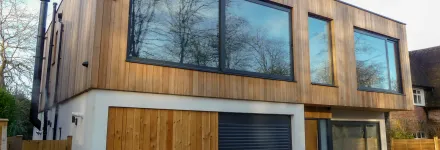
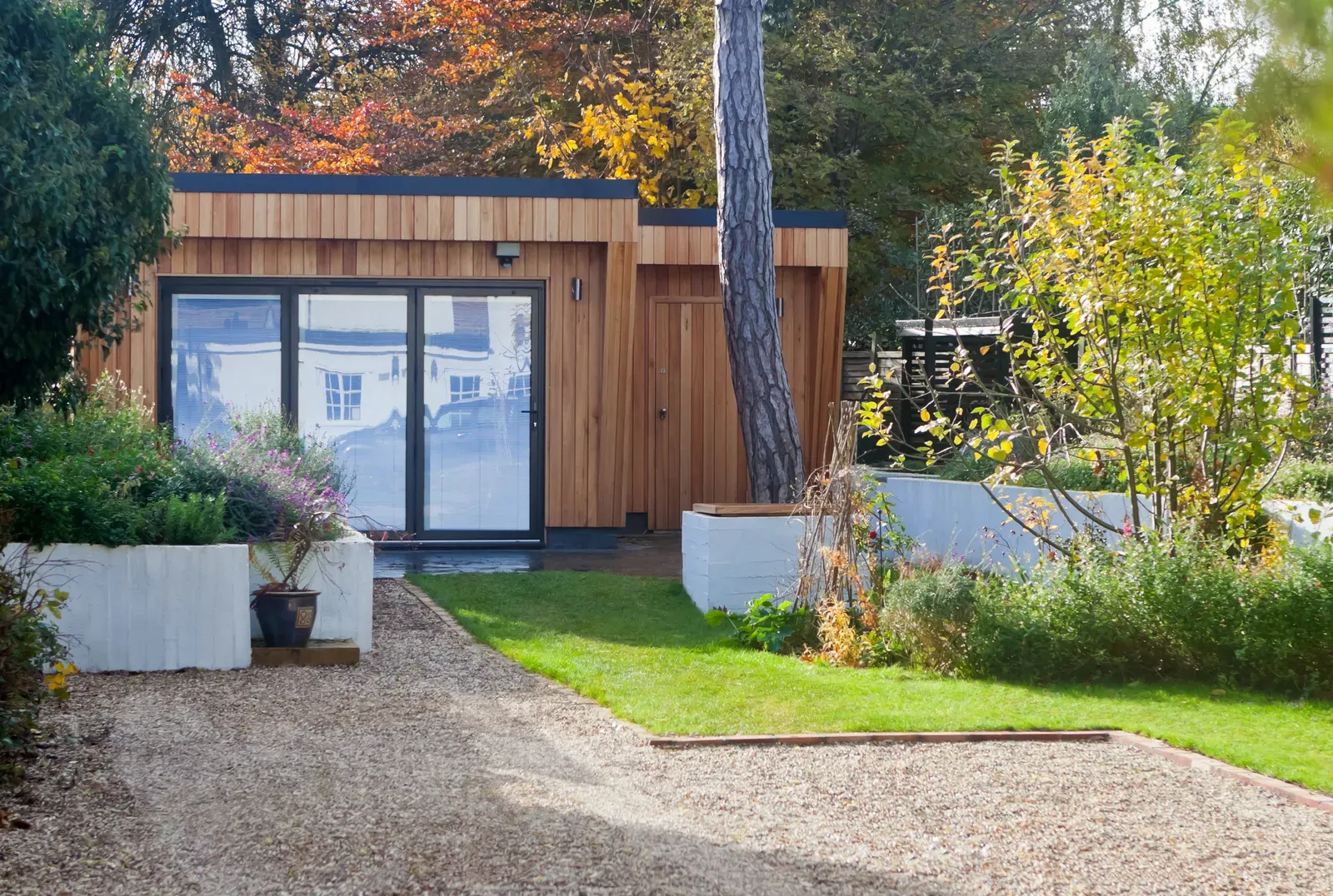
Cedar and other naturally rot-resistant wood siding is the material behind most of the warm, contemporary garden suites populating design magazines and Instagram, typically installed as shiplap, board-and-batten, or a vertical slat rainscreen system that also improves drainage behind the cladding. Material and installation cost typically runs $12 to $20 per square foot, mid-range among the four options, and the look is genuinely difficult to replicate with any other material. The honest trade-off is maintenance: left unfinished, cedar silvers to a grey patina over several years, an aesthetic some owners want, but if you want to preserve the original tone, it needs a UV-rated stain or sealer reapplied every 3 to 5 years, and any unfinished or poorly detailed wood cladding is vulnerable to moisture damage at joints and the base of walls where snow piles against it. Wood rewards an owner who's willing to maintain it and penalizes one who isn't.
Fibre Cement: The Low-Maintenance Default
Fibre cement siding, sold under brand names like James Hardie, has become our default recommendation for garden suites that need to look sharp for decades with minimal owner attention, because it combines a wood-look plank or panel profile with genuinely low maintenance, no repainting cycle beyond touch-ups every 10 to 15 years, resistance to rot, insects, and fire, and stable performance through freeze-thaw cycles that punish lesser materials. Installed cost typically runs $10 to $16 per square foot, competitive with or slightly below wood, and it's available in board-and-batten, lap siding, and large-format panel profiles that can closely mimic a cedar look for a fraction of the upkeep. The trade-off is weight and installation care, fibre cement is heavier and more brittle to cut than wood or vinyl, which means installation labour and blade wear run higher, and a poor installation crew can chip edges that then need touch-up paint. For rental suites specifically, where nobody is reliably reapplying stain every few years, fibre cement is usually the financially smarter choice over wood.
Metal Panel: Durable, Modern, and Increasingly Common
Standing-seam or corrugated metal panel, typically prefinished steel or aluminum, has moved from an industrial-only material into mainstream garden suite design over the past several years, prized for its clean, contemporary lines and genuinely excellent durability, a properly installed metal panel system can last 40 to 60 years with essentially no maintenance beyond an occasional rinse. Installed cost runs $14 to $24 per square foot depending on panel profile and finish quality, at the higher end of the four options, but the near-zero maintenance over a multi-decade lifespan offsets a meaningful share of that premium. Metal performs particularly well as an accent material paired with wood or fibre cement, breaking up a facade and highlighting an entry or a change in massing, and it sheds snow and handles direct sun exposure without fading or cracking the way some other claddings eventually do. The main caution is installation quality: panel seams and flashing details have to be done correctly to avoid ticking or oil-canning noise as the metal expands and contracts with temperature.
Brick and Masonry Veneer: Matching an Established House
When the main house is brick, a common scenario on older GTA lots, matching or complementing that material on the garden suite carries real weight both aesthetically and, in some cases, with a design review process that favours visual harmony with the existing streetscape. A full brick veneer, real clay or concrete brick installed over a structural wall with a proper air gap and weep system, is the most expensive cladding option, typically $18 to $28 per square foot installed, and the most durable, with a service life measured in generations rather than decades. Manufactured stone or brick-look panel systems offer a lower-cost middle ground, $14 to $20 per square foot, that can approximate the look without the full structural and labour cost of true masonry. Brick's main practical drawback on a small building is that it visually reads as heavier and more traditional than the contemporary look many garden suite owners want, so it tends to appear most often specifically when matching an existing brick house is the priority rather than when a modern aesthetic is the goal.
Should the Suite Match the House?
There's no universal rule that a garden suite must match the main house's cladding, and municipal design guidelines in most GTA jurisdictions don't require it either, but the decision is worth making deliberately rather than by default. Matching cladding, or at least matching cladding tone and material family, tends to read as more cohesive from the street and can smooth design review in areas with heritage or streetscape sensitivity, while a deliberately contrasting material, a modern black metal-and-cedar suite behind a traditional brick house, reads as an intentional architectural statement that many owners and increasingly many design reviewers actually prefer over a forced match. What matters more than matching is that the suite's cladding choice reflects an honest trade-off between upfront cost and the maintenance commitment you're actually prepared to keep up over the building's life, since a beautiful cedar facade neglected for a decade looks worse than a well-maintained fibre cement one.
Choosing Cladding for Your Suite
Weighed against upfront cost, ongoing maintenance, and durability together, fibre cement remains the strongest all-around choice for most garden suites, particularly rentals, wood suits owners who value its specific warmth and are committed to the upkeep, metal panel earns its premium on suites built for a modern look and multi-decade durability, and brick makes the most sense when matching an existing masonry house is genuinely the priority. Many of the best-looking suites we build combine two materials, a primary cladding with a metal or wood accent at the entry, which lets the budget concentrate the more expensive material where it has the most visual impact rather than spreading it evenly across every wall. Our design and permits team can walk your specific lot's context, the main house's finish, the streetscape, your maintenance appetite, against these four options before cladding gets locked into the drawings.
Related Reading
Ready to plan your garden suite?
Our design-build team is here to help you bring your backyard home to life. Get a free, no-obligation quote today.
Get Free Quote