Good, Better, Best: Garden Suite Finish Levels & What They Cost
Finish level is where garden suite budgets move the most after the shell is priced. Here’s what good, better, and best actually cost, and where the upgrade pays for itself.
Why Finish Level Is Where Budgets Actually Move
Once the foundation, servicing, and structural shell are priced, they don’t change much between projects of similar size. What genuinely moves the final number is finish level: flooring, cabinetry, countertops, tile, trim, lighting, and appliances. On a typical suite, the spread between a solidly built standard-spec finish and a premium designer finish can span $70,000 to $150,000, which is a bigger swing than most homeowners expect from what looks, at a glance, like the same floor plan. Understanding what each tier actually includes, rather than guessing from a showroom sample, is what lets you spend that budget where it earns the most back, whether that’s comfort for family or rent from a tenant.
The Good Tier: A Standard-Spec Suite
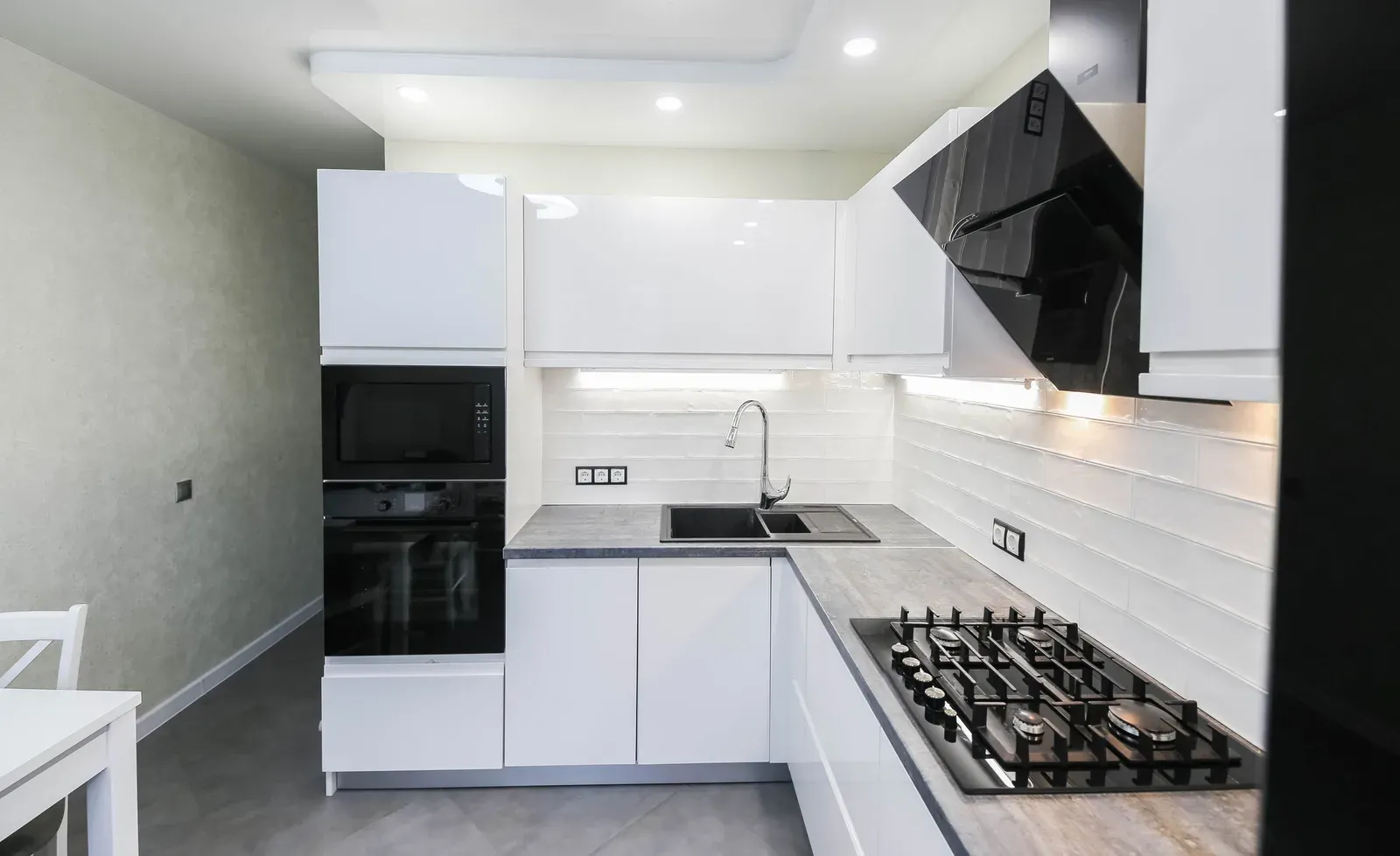
A well-built suite at the standard tier, typically landing in the $285,000 to $310,000 all-in range for a one-bedroom, uses durable, proven materials without the upgrade pricing of premium selections: quality laminate or luxury vinyl plank flooring, stock cabinetry with laminate or basic quartz counters, standard-grade tile in the bathroom, and a solid mid-range appliance package. None of this reads as cheap; it reads as clean, current, and well-built, because the craftsmanship and code compliance are identical across every tier. This is the right starting point for most rental suites, where durability and low maintenance matter more to the bottom line than showroom-grade finishes a tenant will not pay extra to live with.
The Better Tier: Where Most Homeowners Land
The middle tier, typically $320,000 to $370,000 all-in, is where most owner-occupied and family-use suites land, and for good reason: it adds engineered hardwood or higher-end LVP flooring, semi-custom cabinetry, upgraded quartz counters, a nicer tile package in the bathroom, and a stronger appliance suite, without moving into full custom millwork or designer fixtures. The jump from good to better commonly adds $35,000 to $60,000 to the project, concentrated in the kitchen and bathroom, the two rooms that most influence how a suite feels day to day. For a suite housing a parent or an adult child, this tier is usually the sweet spot between comfort and cost.
The Best Tier: Premium Finishes
At the top end, typically $380,000 to $450,000-plus all-in, a suite moves into genuine custom territory: engineered hardwood throughout, full custom cabinetry and millwork, natural stone or premium quartz counters, designer tile and lighting packages, and a high-end integrated appliance suite. This tier makes the most sense when the suite is a long-term home for the owner themselves, a design statement tied to the main house’s own finish level, or part of a property being positioned for a premium sale. For a straightforward long-term rental, this tier rarely returns its added cost in rent, which is exactly why matching finish level to purpose matters more than chasing the nicest available option by default.
Where Upgrades Pay Off in Rent
Not every upgrade dollar returns the same amount in rent, but some clearly do. Moving from a good-tier kitchen and bathroom to a better-tier package commonly supports $100 to $200 more per month in achievable rent in competitive GTA markets, because tenants specifically notice and pay for updated kitchens, quality flooring, and a well-finished bathroom during a showing. In-suite laundry, a private entrance with a good-quality door, and durable, attractive flooring throughout consistently rank among the features tenants cite most, and all of them sit comfortably within the better tier rather than requiring a jump to premium finishes. Photographed well, these upgrades also tend to shorten the time a listing sits vacant between tenants, which is its own quiet form of return on the money spent.
Where Upgrades Don’t Pay Off
Custom millwork, natural stone counters, and designer lighting fixtures rarely move the needle on achievable rent enough to justify their added cost in a straightforward rental scenario, since most tenants are comparing your suite to other well-finished rentals, not to a custom home renovation. The mismatch to watch for is spending best-tier money on a suite that will be rented long-term to cover carrying costs; the extra $80,000 to $100,000 typically takes far longer to recover through rent than the same money would take to recover through a mid-tier finish rented at a similar rate. Save the premium tier for suites that are homes first and investments second.
Choosing the Right Tier for Your Suite’s Purpose
The right finish tier is ultimately a question of who will live there and for how long, not a question of what looks best in a showroom. A suite built purely as a rental performs best financially at the good-to-better range, where durability and tenant appeal are maximized per dollar spent. A suite built for a parent, an adult child, or the owner’s own future use justifies moving further up the scale, since comfort and longevity matter more than payback period. Walking through this decision with your design team before finishes are selected, rather than upgrading item by item as choices come up, keeps the whole finish budget coherent and intentional.
Related Reading
Ready to plan your garden suite?
Our design-build team is here to help you bring your backyard home to life. Get a free, no-obligation quote today.
Get Free Quote