The Restoration Budget: Getting Your Yard Back After the Build
Construction leaves a mark on the yard around it. Here’s a realistic restoration budget, and why protecting what stays is the cheapest line item of all.
Why Restoration Deserves Its Own Line Item
Between excavation, a utility trench, material staging, and months of foot traffic, a backyard rarely comes through garden suite construction untouched, even on a well-run project. Restoration, bringing the yard back to a finished, usable state, is a real and sometimes underestimated part of the overall budget, typically running $5,000 to $15,000 depending on how much of the yard construction actually disturbed. Homeowners who plan for this line item from the start are never surprised by it; homeowners who assume the yard will simply “go back to normal” for free are consistently the ones who feel blindsided when the invoice for sod, fencing, and hardscape repair arrives near the end of the project.
Lawn, Sod, and Soil: The Base Layer
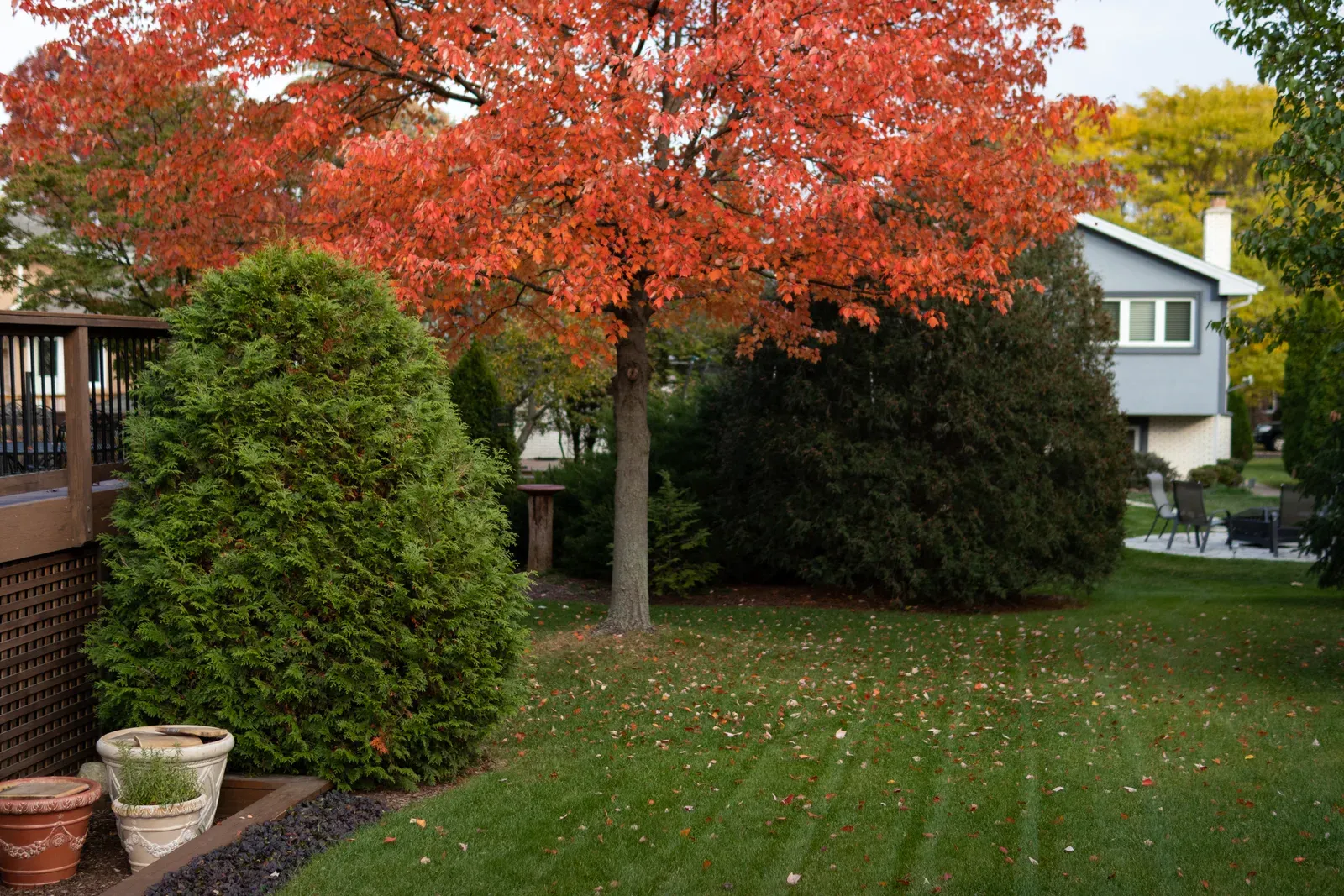
The area disturbed by excavation, trenching, and equipment traffic typically needs topsoil brought back to grade and either reseeded or re-sodded, with sod generally preferred where a usable lawn is needed quickly rather than over a full growing season. Re-sodding a disturbed area commonly costs $2 to $4 per square foot including soil preparation, so a few hundred square feet of disturbed lawn can represent $1,500 to $4,000 of the total restoration budget on its own. Grading matters here too: the finished grade needs to slope water away from both the house and the new suite, so this is not simply a cosmetic step but part of the property’s long-term drainage performance.
Fences: Sectional Repair vs Full Replacement
Fencing along the construction access route is almost always removed or damaged during the build, and the repair decision usually comes down to sectional replacement, rebuilding only the panels that were disturbed, versus replacing a full run to keep the fence visually consistent. Sectional repair is the more economical route, typically a few hundred dollars per panel, but on an older fence, replacing only part of it can leave a visible mismatch in wood tone or style that some homeowners decide is worth avoiding by replacing the whole run instead. Either way, budgeting for at least the disturbed sections, generally $1,000 to $4,000 depending on length and material, keeps this from being an unplanned cost.
Patios, Walkways, and Hardscape
Any existing patio, walkway, or driveway apron in the equipment path frequently needs partial demolition and rebuilding, and this is typically the most expensive single item in a restoration budget when it applies, often $3,000 to $8,000 depending on the material and area affected. Interlocking pavers can sometimes be lifted, stored, and reinstalled to control cost, while poured concrete generally needs to be removed and replaced outright. Where hardscape sits directly in the planned trench or access route, it is worth discussing during design whether the new suite’s layout can shift slightly to avoid it, since avoiding the cost entirely is always cheaper than budgeting for its repair.
Protecting What Stays: The Cheapest Restoration Line
The single most effective way to control restoration cost is preventing damage in the first place. Plywood paths over lawn, temporary fencing around mature trees and established garden beds outside the work zone, and clearly marked no-go areas for equipment and material staging cost very little relative to what they save. Established landscaping, in particular mature trees and shrubs that took years to grow, cannot simply be repurchased and replanted to the same effect, so protecting them is not just a cost-saving measure but often the only way to preserve something restoration money genuinely cannot replace on any reasonable timeline.
Phased Landscaping: Spending Over Time Instead of All at Once
Restoration does not have to be a single lump-sum project completed the week construction wraps. Many homeowners handle the functional basics, grading, sod, and any structural fence repair, immediately after construction, then phase in the more discretionary landscaping, new plantings, a rebuilt patio, or garden features, over the following one or two seasons as budget allows. This keeps the immediate post-construction cost manageable while still restoring full function to the yard right away, and it lets planting decisions follow a full growing season rather than being rushed to match a construction closeout date. It also gives you time to actually live with the new suite’s footprint before committing to a permanent landscaping plan around it, which often produces a better final layout than deciding everything before move-in.
Budgeting the Full Restoration Line From the Start
The clearest way to avoid restoration sticker shock is to have it priced, in writing, as part of your original garden suite quote rather than as a separate conversation after the build. Ask specifically what your contractor includes for lawn restoration, fence repair, and hardscape, and what is excluded, before you sign anything. A contractor who has done this before will already have a realistic number for your specific site, based on the same access and trench planning that shapes the rest of your budget, which is exactly how restoration gets folded into our feasibility assessment rather than appearing as a surprise near the finish line when your patience for surprises is at its lowest.
Related Reading
Ready to plan your garden suite?
Our design-build team is here to help you bring your backyard home to life. Get a free, no-obligation quote today.
Get Free Quote